- Jan 15, 2026
Share this post on:
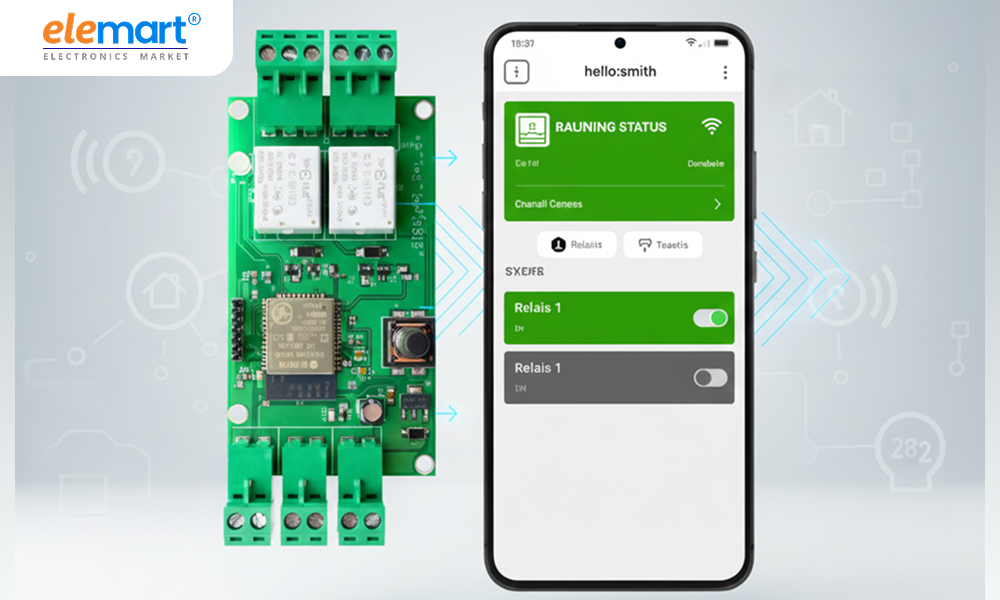
In today’s rapidly evolving world, where technology is increasingly becoming integrated into our daily lives, home automation systems are leading the way in creating more comfortable, secure, and efficient living spaces. One of the most significant advancements in this realm is the development of Advanced Door Controllers, which not only enhance the security of your home but also improve convenience and connectivity. These intelligent systems are paving the way for the future of smart living, allowing homeowners to experience next-level comfort, security, and control.
What Are Advanced Door Controllers?
Advanced Door Controllers are electronic devices that allow you to manage access to your home through various digital means, such as smartphones, key cards, facial recognition, or even biometric authentication. These systems go far beyond the traditional lock-and-key mechanism, offering enhanced security features, increased convenience, and remote management capabilities.
Smart door controllers typically integrate with home automation systems, such as those based on IoT technology (Internet of Things). They can be connected to your home’s Wi-Fi or Bluetooth networks, allowing you to control them remotely via an app on your smartphone, tablet, or even through voice assistants like Alexa, Google Assistant, or Siri. This connectivity brings multiple benefits that align with the growing demand for smart living.
Key Features of Advanced Door Controllers
1. Keyless Entry
Traditional door locks have been around for centuries, but keyless entry systems have revolutionized the way we interact with doors. With advanced door controllers, you can unlock doors without the need for a physical key. Instead, these systems allow access through a variety of means:
Smartphone App: Unlock doors with a simple tap or swipe.
Biometric Scanning: Fingerprint or facial recognition for highly secure access.
RFID Cards/Tags: Open doors with a simple scan of a card or tag.
This eliminates the hassle of searching for keys and ensures that you never get locked out of your home again.
2. Remote Access and Monitoring
One of the most attractive features of smart door controllers is the ability to remotely monitor and control access to your home. Whether you’re on vacation, at work, or out for a run, you can control your door remotely. Using an intuitive app, you can:
Lock or unlock doors from anywhere in the world.
Monitor access logs to see who entered your home and when.
Send temporary access codes to guests, cleaners, or service providers, which can expire after a set time.
This level of control offers peace of mind and ensures that your home is always secure, even when you're not physically present.
3. Automated Locking
Advanced door controllers can be programmed to automatically lock and unlock based on your routine. For instance, you could set the system to lock the door automatically after a certain time or once it detects that your phone has left a specified range. This feature is especially useful for those who often forget to lock the door when they leave the house or arrive home late at night.
4. Enhanced Security
Advanced door controllers are designed with a focus on security. Traditional locks can often be bypassed by burglars, but smart door controllers provide advanced encryption and anti-tampering mechanisms. Some of the ways these systems enhance security include:
Two-factor Authentication: In addition to a password or PIN, smart door controllers may require biometric authentication, making unauthorized access even harder.
Intruder Alerts: If someone tries to tamper with or force open the door, the system can immediately send an alert to your phone, ensuring you’re notified of any suspicious activity.
Integration with Home Security Systems: Many smart door controllers integrate with existing home security systems, ensuring a comprehensive security setup.
5. Voice Control Integration
For those who prefer hands-free operation, advanced door controllers can be integrated with voice assistants such as Amazon Alexa, Google Assistant, or Apple HomeKit. This means that, while entering or exiting your home, you can unlock or lock your door using just your voice. This added convenience makes smart door controllers perfect for busy individuals or people with disabilities who find it difficult to manually operate locks.
How Smart Door Controllers Enhance Comfort
While security is a major focus, the comfort factor is equally important. Smart door controllers make everyday living easier and more comfortable in several ways:
1. Seamless Home Automation Integration
Many advanced door controllers are part of larger smart home ecosystems. When connected to your home automation system, the door controller can trigger other smart devices in your home. For example:
When you arrive home, your smart door controller can automatically unlock the door and turn on lights, adjust the thermostat, or even play your favorite music.
Upon locking the door, the system can trigger security cameras to start recording, or activate the alarm system to ensure your home is secure.
This seamless integration creates an automated, hands-off experience where your home "knows" what you want and adjusts accordingly, increasing both comfort and efficiency.
2. No More Lost Keys
A major comfort factor of smart door controllers is eliminating the hassle of lost or forgotten keys. Since many systems operate via smartphones or biometrics, you won’t need to worry about digging through your pockets or purse for a physical key. This is particularly beneficial when you're in a rush or have your hands full with groceries or other items.
3. Convenience for Guests and Service Providers
For families or individuals who often have guests, cleaners, or maintenance workers visiting, smart door controllers can simplify entry and exit without the need for physical keys. You can easily generate temporary access codes for guests or service providers that can be set to expire after a few hours or days, ensuring your home remains secure while providing convenience for those you trust.
Future of Advanced Door Controllers: The Role of AI & IoT
As the Internet of Things (IoT) continues to evolve, we can expect door controllers to become even smarter. Future advancements may include:
Artificial Intelligence (AI): AI could enable smarter access management by learning and predicting patterns, such as your daily routine or the times you typically lock and unlock your door. This could result in doors automatically locking or unlocking based on these patterns, further improving convenience.
Facial Recognition: While already available in some systems, facial recognition technology will become more sophisticated, with greater accuracy in identifying family members, friends, and even pets.
Integration with Other IoT Devices: Advanced door controllers will increasingly integrate with other smart home devices, such as doorbell cameras, home assistants, lighting, and HVAC systems, to create a fully automated and interconnected living environment.
Conclusion
Advanced door controllers are a significant step forward in making our homes smarter, safer, and more comfortable. With keyless entry, remote access, automated locking, and seamless integration with other smart home systems, these devices are transforming the way we interact with our living spaces. As the demand for smart home solutions continues to grow, these controllers will play a crucial role in enabling smarter, more convenient living.
By embracing these innovations, homeowners can enjoy enhanced security, convenience, and comfort. Whether you're looking to improve your home’s security or streamline your daily routines, investing in an advanced door controller is a step toward a smarter, more connected home.
At Elemart, we offer a range of smart home products, including advanced door controllers and other cutting-edge technologies, to help you create a home that’s not only secure but also efficient and convenient. With the rise of smart living, it's time to take the leap into the future of home automation