By 2033, the global electronic components market is projected to reach an estimated value of USD 372.1 billion, reflecting sustained growth driven by increasing demand for consumer electronics, automotive technologies, industrial automation, and advanced communication systems worldwide.
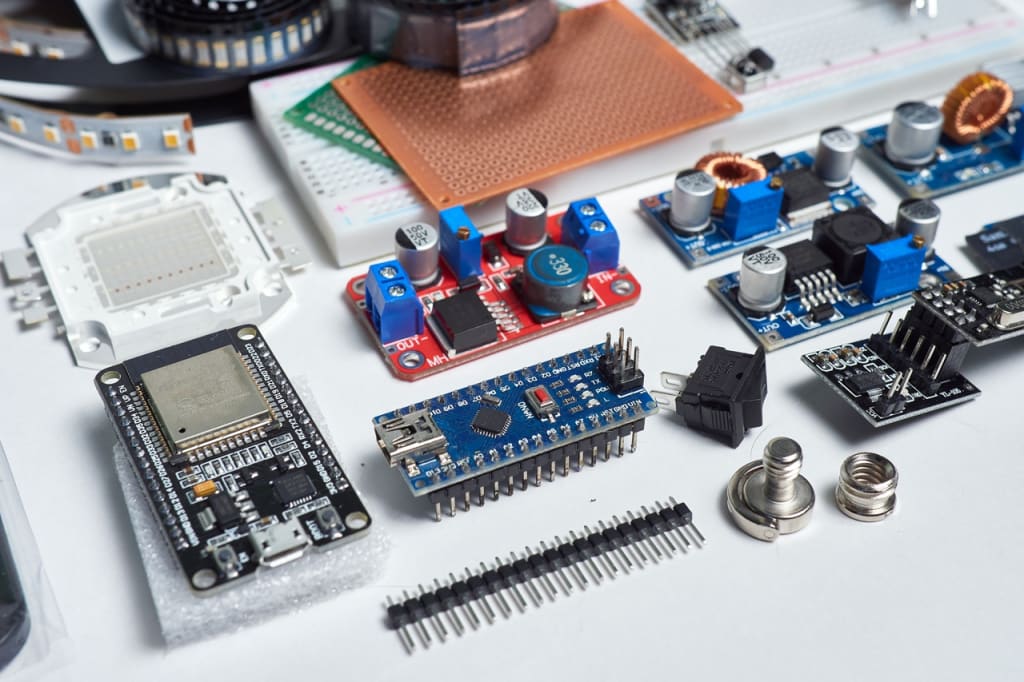
In today’s digital era, buying electronic components online has become the preferred choice for engineers, hobbyists, startups, and manufacturing companies. Whether you’re building a simple Arduino-based project, designing an IoT device, or developing a complex industrial control system, selecting the right electronic components is crucial to your project’s success.
However, with thousands of options available across online marketplaces, selecting the right components can feel overwhelming. From technical specifications and compatibility issues to supplier credibility and pricing, every factor matters.
This comprehensive guide will walk you through everything you need to know about choosing the right electronic components online for your projects, ensuring reliability, performance, and cost efficiency.
Key Highlights
- Verify component specifications carefully and always include proper electrical safety margins.
- Review the datasheet thoroughly before purchasing to prevent compatibility and performance issues.
- Ensure package type matches your PCB layout and assembly manufacturing process.
- Purchase components only from trusted suppliers to guarantee authenticity and reliability.
- Check stock availability and lifecycle status to support long term scalability.
Steps to Choose the Right Electronic Components
Selecting the right electronic components is not about technical specs, it is about building a reliable foundation for your entire project. Whether you are designing a prototype, developing a commercial product, or working on an industrial system, a structured selection process can save time, reduce costs, and prevent failures.
Step 1: Start with the End in Mind
Before browsing online catalogs, clearly define your project’s purpose.
Ask yourself:
• What problem is this circuit solving?
• What power source will it use?
• What environment will it operate in?
• Is the design for prototyping or mass production?
When you understand the final application, you can choose components that align with performance, durability, and scalability requirements.
Step 2: Break Down the Functional Blocks
Instead of selecting parts randomly, divide your project into functional blocks such as:
• Power supply section
• Signal processing
• Control unit (microcontroller/processor)
• Communication module
• Output drivers
This structured approach helps you identify exactly which components are needed for each section, making selection more organized and accurate.
Step 3: Dive Deep into Technical Specifications
This is where precision matters.
Carefully evaluate:
• Voltage and current ratings
• Power dissipation
• Frequency response
• Tolerance levels
• Operating temperature range
Always include a safety margin. For example, if your system operates at 12V, choose a capacitor rated higher than 12V to ensure reliability.
Never rely on product titles alone—verify everything using the datasheet.
Step 4: Check Compatibility with Your Design
Even the best component can fail your project if it doesn’t fit physically or electrically.
Confirm:
• Pin configuration matches your PCB layout
• Package type (DIP, SMD, QFN, etc.) suits your assembly method
• Communication protocols are supported (I2C, SPI, UART, etc.)
• Logic voltage levels are compatible
Compatibility ensures smooth integration and avoids redesign costs.
Step 5: Evaluate Quality and Source Credibility
The performance of your entire system depends on component quality.
Choose suppliers who offer:
• Genuine, manufacturer-backed products
• Clear return and warranty policies
• Transparent specifications
• Proper documentation
Reliable sourcing protects you from counterfeit components and long-term failures.
Step 6: Compare Pricing the Smart Way
Price matters, but smart comparison is key.
Consider:
• Bulk discounts
• Shipping charges
• Long-term supply consistency
• Alternate part availability
Saving a small amount on a low-quality part can cost much more in repairs or product recalls.
Balance cost efficiency with performance and reliability.
Step 7: Plan for Availability and Future Scalability
If your project may scale into production:
• Ensure the component has long-term availability
• Check lifecycle status (Active, NRND, EOL)
• Identify alternate compatible parts
• Confirm sufficient stock levels
Planning ahead avoids future redesigns due to discontinued parts.
Step 8: Order Samples and Test Thoroughly
Before committing to bulk orders:
• Purchase small quantities
• Test under real operating conditions
• Monitor thermal performance
• Check electrical stability
Prototyping validates your decisions and reduces production risks.
Step 9: Document Everything
Maintain a well-organized Bill of Materials (BOM) including:
• Part numbers
• Supplier details
• Pricing
• Datasheets
• Approved alternatives
Good documentation ensures smooth reordering and faster project iterations.
Step 10: Think Beyond the Present Project
Great engineers don’t just think about today’s circuit, they think about tomorrow’s upgrades.
Choose components that:
• Are widely supported
• Have strong community adoption
• Offer software and firmware compatibility
• Allow design flexibility
Future-ready component selection increases product lifespan and market competitiveness.
Final Checklist Before Placing an Online Order
Before you click the “Place Order” button, it’s essential to pause and carefully review every detail. A small oversight in specifications, compatibility, or supplier verification can lead to project delays, added costs, or even complete redesigns. Here’s a detailed checklist to ensure your electronic component purchase is accurate, safe, and project-ready.
1. Verify Technical Specifications
Before ordering, carefully review all electrical and mechanical specifications to ensure the component matches your circuit requirements. Confirm voltage, current, power ratings, and tolerance values. Even small mismatches can cause instability, overheating, or early failure in your project.
• Confirm voltage and current ratings with safety margin
• Check power dissipation and tolerance accuracy
• Match operating temperature range to application
2. Confirm Package Type and Mounting Style
Ensure the physical package type aligns perfectly with your PCB layout and assembly process. Choosing the wrong mounting style can delay production or require redesign. Verify dimensions, footprint compatibility, and pin spacing before placing your final order online.
• Verify DIP, SMD, or other package types
• Match footprint with PCB layout
• Check through-hole or surface-mount compatibility
3. Review the Datasheet Carefully
The datasheet provides complete technical insight into the component’s capabilities and limitations. Reviewing it helps prevent design errors and compatibility issues. Always compare absolute maximum ratings and recommended operating conditions before confirming your purchase decision online.
• Study maximum and recommended ratings
• Verify pin configuration diagram
• Review application notes and performance curves
4. Check System Compatibility
Compatibility ensures seamless integration with existing components in your design. Evaluate logic levels, communication protocols, and overall system load capacity. A mismatch in voltage or signaling standards can cause malfunction or permanent damage.
• Match logic voltage levels
• Confirm supported communication protocols
• Verify total system power handling
5. Verify Supplier Credibility
Buying from a reputable supplier reduces the risk of counterfeit or low-quality parts. Check reviews, certifications, and return policies. A reliable distributor ensures genuine components, proper packaging, and professional customer support.
• Read customer reviews and ratings
• Confirm manufacturer traceability
• Check warranty and return policies
6. Confirm Stock and Delivery Timeline
Project schedules depend heavily on timely component delivery. Verify real-time stock availability and shipping timelines. Delays caused by backorders or long lead times can disrupt development and production cycles significantly.
• Check current stock status
• Review estimated shipping date
• Confirm manufacturer lead time
7. Review Total Cost Breakdown
Analyze complete pricing details before checkout. Consider shipping charges, taxes, and bulk discounts. A lower unit price may not always mean lower overall cost once additional fees are included.
• Compare bulk and unit pricing
• Calculate shipping and taxes
• Check for hidden handling fees
8. Check Component Lifecycle Status
Lifecycle status determines long-term availability. Avoid parts labeled obsolete or end-of-life for scalable projects. Choosing active components ensures smoother production planning and future sourcing flexibility.
• Confirm Active or NRND status
• Avoid EOL or obsolete components
• Identify long-term supply assurance
9. Identify Alternate Components
Supply chain disruptions can affect availability. Having alternate compatible parts ensures continuity. Research pin-to-pin replacements and second-source manufacturers before finalizing the order.
• Find pin-compatible alternatives
• Compare technical specifications
• Check second-source suppliers
10. Order Samples for Testing
Testing small quantities before bulk purchasing reduces financial risk. Evaluate performance under real conditions, including thermal and electrical stress. Validation confirms reliability before large-scale production.
• Purchase limited sample quantity
• Perform functional testing
• Conduct stress and thermal analysis
Conclusion
Choosing the right electronic components online is more than just adding items to a cart, it is about making informed, technically sound decisions that ensure the reliability and efficiency of your projects. From verifying datasheets and checking compatibility to selecting trusted suppliers and planning for scalability, every step plays a vital role in your project’s success.
At Elemart, we understand the importance of quality, authenticity, and availability when it comes to electronic components. Our commitment is to provide genuine products, detailed specifications, competitive pricing, and reliable customer support to help engineers, startups, students, and manufacturers bring their ideas to life with confidence.
Whether you are prototyping a new innovation or scaling up for mass production, choosing the right components is the foundation of success and Elemart is here to power your projects every step of the way.
Frequently Asked Questions
1. How do I ensure the electronic components I buy online are genuine?
To ensure authenticity, purchase from trusted and well-established suppliers like Elemart. Check for detailed product descriptions, downloadable datasheets, manufacturer branding, batch numbers, and clear return policies. Avoid deals that seem unrealistically cheap, as they may indicate counterfeit or refurbished components.
2. Why is checking the datasheet important before buying electronic components?
A datasheet provides critical technical information such as voltage ratings, current capacity, power dissipation, pin configuration, and operating temperature range. Reviewing the datasheet ensures the component is compatible with your circuit design and prevents performance or safety issues.
• Confirms voltage and current ratings match your circuit requirements
• Provides power dissipation limits to prevent overheating
• Shows correct pin configuration for proper PCB connection
• Specifies operating temperature range for environmental suitability
3. What should I consider when selecting components for long-term projects?
For long-term or scalable projects, check component lifecycle status, stock availability, manufacturer support, and multiple sourcing options. Avoid parts that are discontinued or nearing end-of-life (EOL) to prevent redesign challenges later.
4. How do I choose the correct package type for my project?
Choosing the correct package type depends on your application requirements, PCB design, and assembly process. The package affects installation, space usage, heat dissipation, and manufacturing efficiency.
• Select DIP packages for breadboards and manual prototyping
• Choose SMD packages for compact PCB designs
• Consider QFN/BGA packages for high-density, advanced circuits
• Match the package footprint with your PCB layout
5. Is it better to order samples before bulk purchasing?
Yes, ordering sample quantities is highly recommended. Testing components in real-world conditions allows you to verify performance, compatibility, and reliability before committing to large-scale production, reducing financial and operational risks.