In the world of modern technology, innovation is at the heart of every new creation, and the rise of smart products with IoT (Internet of Things) has transformed industries ranging from healthcare to home automation. Central to this transformation are development boards, microchips, and various electronic components that help makers, engineers, and developers bring their ideas to life. In this blog post, we’ll take a closer look at how microchip development boards, IoT development boards, smart sensors, and other electronic components are making it easier to build the devices of tomorrow.
The Rise of Development Boards in IoT and Electronics Projects
A development board is a key piece of hardware used to test and prototype electronic systems. Whether you’re working on an IoT device or robotics project, development boards provide the flexibility and functionality needed to experiment with new designs. These boards come equipped with a variety of features, including microprocessors, memory, and peripheral interfaces, allowing developers to integrate sensors, actuators, and other components to create functional systems.
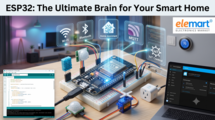
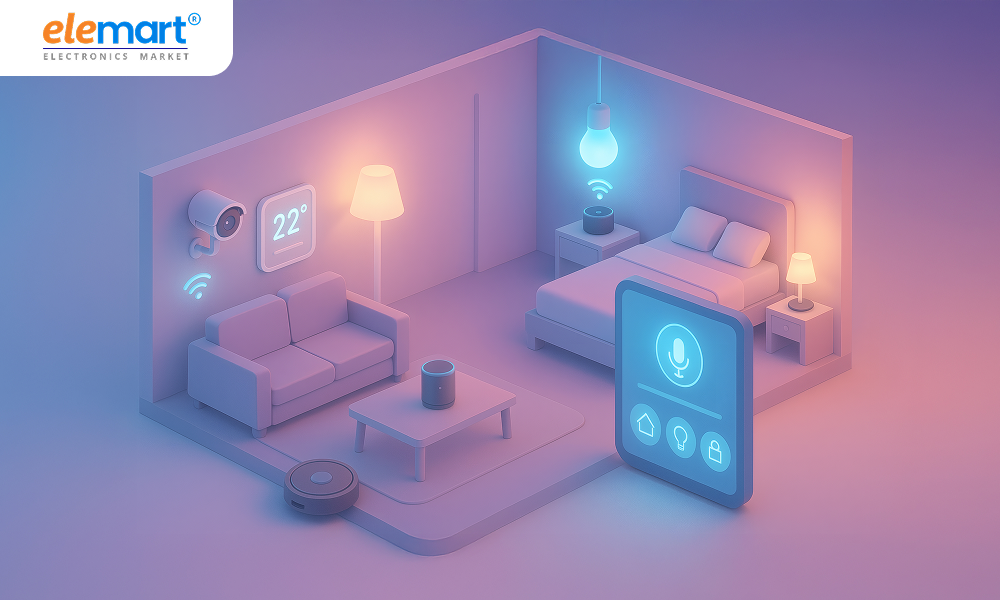
For instance, an IoT development board allows you to create smart products that connect to the internet, making it a perfect choice for building IoT-based solutions. Whether it's a weather station that transmits data to the cloud or a smart home system that automates lighting and temperature control, development boards are essential tools for turning concepts into reality.
Key Features of IoT Development Boards
When it comes to choosing an IoT development board, there are a few key features to consider:
Connectivity Options: The most important factor for any IoT project is connectivity. The best development boards come with built-in Wi-Fi, Bluetooth, or cellular options to allow devices to communicate with the cloud or other devices.
Microchip Technology: A microchip is the heart of the development board. Choosing the right microchip for your project is critical for ensuring smooth operation, low power consumption, and reliability. Some boards come with pre-programmed microchips like the Raspberry board or Arduino.
Smart Sensors: Many IoT devices rely on sensors to collect data from their surroundings. Sensors measure physical properties like temperature, humidity, pressure, or motion and provide this data to the microchip for processing. Having smart sensors integrated into your board can help accelerate your design process.
Expansion Capabilities: If you're working on a complex project, you'll likely need additional components, like motors or displays. A good IoT development board should offer easy ways to connect electronic modules and other electronics components through GPIO pins or dedicated interfaces.
The Importance of Electronic Components in Building Smart Devices
Whether you're building a home automation system, a wearable device, or a robot, having access to the right electronics components is essential. Electronic modules, like relays, motors, and displays, allow your project to interact with the physical world. For example, a motion sensor can trigger a light to turn on, or a temperature sensor can send data to your cloud server.
But where can you find these components? One of the most convenient ways to buy electronics components online is through an electronic accessories store or a DIY electronics shop. These platforms offer a wide selection of parts and tools, making it easy for hobbyists and professionals alike to gather the materials they need to create their dream project.
Online stores also give you the option to buy electronic parts online from trusted electronics components suppliers. This convenience saves you time and effort, allowing you to focus on the actual design and development of your project.
The Role of the Electronic Breadboard
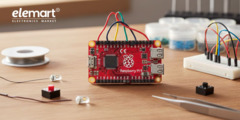
When you're prototyping a new circuit, an electronic breadboard is an invaluable tool. A breadboard allows you to quickly assemble circuits without soldering, enabling you to test your designs and make adjustments on the fly. For IoT projects, breadboards are often used to connect sensors, development boards, and other electronic components in a temporary setup before finalizing the design.
Using a breadboard for initial prototyping helps developers save time and avoid errors, and it's especially useful when integrating new electronic modules or experimenting with different connections. Once you’ve tested your circuit on a breadboard and confirmed it works as expected, you can then move forward with creating a more permanent design.
Popular Development Boards: Raspberry Pi and Arduino
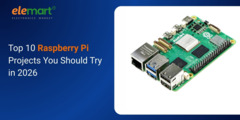
Among the many options available, two of the most popular development boards are the Raspberry board (or Raspberry Pi) and Arduino. These boards have become synonymous with DIY electronics and prototyping due to their affordability, flexibility, and active communities.
Raspberry Pi: This single-board computer offers a wide range of applications, from simple automation tasks to complex AI-driven projects. With its powerful processor and multiple I/O options, the Raspberry Pi is ideal for developers looking to build IoT solutions, robots, or even smart sensors.
Arduino: A highly accessible and beginner-friendly development board, Arduino is often used in robotics and electronics projects that require direct control of sensors, motors, and other components. Arduino boards are ideal for those who want to learn how to build custom circuits and create simple embedded systems.
Both of these boards are widely available and supported by numerous online communities, making them a great choice for anyone working on IoT or electronics-based projects.
Finding Electronics Components and Tools Online
For makers, engineers, and hobbyists, finding quality electronics components can be a challenge, especially if you don't have a local supplier. Fortunately, with the rise of online stores, you can now easily buy electronics tools online and find everything from development boards to robotics and electronics parts with just a few clicks.
Some online electronics platforms also offer electronics components online for bulk purchases or special orders, which is especially useful for professionals who need large quantities for manufacturing. Additionally, these online stores often provide tutorials, guides, and customer support, helping you to troubleshoot or get advice on your project.
Conclusion
Whether you’re creating a cutting-edge smart sensor, a connected IoT development board, or a robotics project, access to the right development tools and electronic components is critical. Thanks to the wide range of options available at DIY electronics shops and electronics components suppliers, it has never been easier to gather the materials you need for your next big project.
If you're looking for a reliable online platform to buy electronic parts online, consider exploring Elemart. With a vast selection of electronic components online, development boards, and IoT tools, Elemart offers everything you need to bring your projects to life. So, get started today and unlock the full potential of your creativity!