The Internet of Things (IoT) has completely transformed the modern technology landscape by connecting devices, systems, and applications through the internet. Today, IoT is used in almost every industry, including smart homes, healthcare, agriculture, industrial automation, transportation, and energy management. From smart lighting systems to advanced industrial monitoring solutions, IoT technology is making systems more intelligent, efficient, and automated.
However, the performance of any IoT project depends heavily on selecting the right hardware components. Even the most advanced software cannot perform effectively if the hardware components are unreliable or incompatible. This is why choosing high-quality Electronic Parts and modules is one of the most important steps in developing a successful IoT system.
With the growing availability of Electronic components in India, users can now easily access IoT modules, sensors, and development boards through a trusted Online Electronic store like Elemart. Whether you are a beginner learning IoT or a professional working on industrial automation systems, selecting the right components ensures better performance, long-term stability, and smooth integration.
In this detailed guide, we will explore how to choose the right IoT components online, the important factors to consider before purchasing, and why buying from a trusted Electronic components Supplier is essential for building reliable and future-ready systems.
Understanding IoT Systems and Our Components
An IoT system is a network of connected devices that collect, process, and exchange data through the internet. These systems use multiple hardware and software technologies to communicate with each other and perform automated tasks without constant human intervention. IoT systems are now commonly used in smart homes, industrial automation, healthcare devices, smart agriculture, and energy management systems.
A successful IoT system depends on the proper combination of hardware components, communication technologies, and software platforms. Every component has a specific role in ensuring smooth communication, accurate data processing, and reliable system performance. If even one component is poorly selected or incompatible, it can affect the entire system’s functionality and efficiency.
Main Components of an IoT System
Sensors and Input Devices
Sensors are among the most important parts of any IoT system because they collect real-time data from the environment. These sensors measure various physical conditions such as temperature, humidity, motion, gas levels, light intensity, pressure, and distance. The collected data is then sent to controllers for processing.
For example, in Smart home automation systems India, motion sensors are used for automatic lighting, while temperature sensors help control smart air conditioning systems. Industrial IoT systems also rely heavily on accurate sensors for monitoring machinery and production processes.
High-quality sensors improve accuracy, reduce errors, and ensure reliable system performance. This is why choosing genuine and durable Electronic Parts is extremely important.
Microcontrollers and Processors
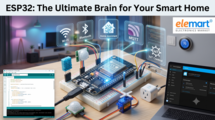
Microcontrollers act as the brain of an IoT system. They process information received from sensors and control connected devices accordingly. Popular microcontrollers include Arduino boards, ESP32 modules, and Raspberry Pi boards.
For beginner-friendly IoT projects, many developers prefer Arduino Uno parts because they are affordable, easy to program, and widely supported. Advanced systems often use Raspberry Pi accessories for higher processing power and multitasking capabilities.
The right processor ensures smooth performance, faster data processing, and better scalability for future upgrades.
Communication Modules
Communication modules allow IoT devices to connect with other devices or cloud platforms. These modules are responsible for wireless or wired communication between systems.
Common communication technologies include:
- Wi-Fi modules
- Bluetooth modules
- Zigbee modules
- LoRa communication systems
- GSM/GPRS modules
For example, Wi-Fi modules are commonly used in smart home systems, while LoRa modules are suitable for long-distance industrial communication. Choosing the correct communication module ensures reliable data transmission and stable connectivity.
Power Supply Systems
Every IoT device requires stable power management for smooth operation. Some devices run on batteries, while others use direct power supplies.
Efficient power systems help:
- Reduce energy consumption
- Improve battery life
- Increase system reliability
- Lower maintenance costs
Power optimization is especially important for remote monitoring systems and wireless IoT devices.
Cloud and Data Platforms
Cloud platforms store and process the data collected by IoT devices. These platforms allow users to monitor and control systems remotely using smartphones or computers.
Cloud integration is essential for applications like:
- Smart home monitoring
- Industrial automation dashboards
- Remote healthcare systems
- Energy management systems
Reliable cloud integration improves accessibility, scalability, and data management efficiency.
Why Component Selection Is Important
The success of an IoT project depends heavily on selecting compatible and high-quality components. Poor-quality or incompatible hardware can lead to system instability, inaccurate readings, communication failures, and higher maintenance costs.
In many cases, beginners focus only on pricing and ignore factors like compatibility, durability, and technical specifications. This often leads to project failures and unnecessary troubleshooting.
Selecting the right IoT components helps ensure:
- Reliable and stable performance
- Better scalability for future expansion
- Improved energy efficiency
- Long-term durability
- Easier integration and maintenance
- Reduced risk of system failures
This is why purchasing from a trusted Online Electronic store is essential. Reliable suppliers provide genuine products, technical specifications, and better customer support, ensuring that your IoT system performs effectively.
Key Factors to Consider Before Buying IoT Components Online
Choosing IoT components requires careful planning and technical understanding. Every IoT application has unique requirements, so selecting the right hardware is critical for achieving the desired performance and reliability.
Below are the most important factors to consider before purchasing IoT components online.
1. Define Your IoT Project Requirements Clearly
Before buying any IoT component, it is important to clearly define your project requirements. Different IoT applications require different types of hardware, communication technologies, and power systems.
For example, a simple smart lighting project may only require basic sensors and Wi-Fi connectivity, while industrial automation systems may need advanced processors, industrial-grade sensors, and long-range communication modules.
Questions to Ask Before Selection
- What is the purpose of the IoT system?
- Will the device operate indoors or outdoors?
- Does the project require wireless communication?
- How much power will the system consume?
- What level of processing power is required?
- Will the system need future expansion?
Clearly defining project requirements helps avoid unnecessary expenses and compatibility issues while improving overall system efficiency.
2. Choose the Right Microcontroller or Development Board
The microcontroller is one of the most important parts of an IoT system because it controls device operations and processes sensor data.
Popular Development Boards
Arduino Boards
Arduino boards are highly popular among students, beginners, and hobbyists because they are easy to use and support a large number of sensors and modules.
ESP8266 and ESP32 Modules
ESP modules are widely used for IoT projects because they include built-in Wi-Fi connectivity and offer excellent performance at affordable prices.
Raspberry Pi Boards
Raspberry Pi boards are ideal for advanced applications that require higher processing power, multimedia support, and multitasking capabilities.
Important Factors to Consider
- Processing speed
- RAM and storage capacity
- Number of GPIO pins
- Wireless connectivity support
- Software compatibility
Choosing the correct controller ensures smooth system performance and better scalability.
3. Select Suitable Communication Modules
Communication modules determine how IoT devices exchange information.
Common Communication Technologies
Wi-Fi
Ideal for smart homes and internet-connected devices.
Bluetooth
Best for short-range communication and wearable devices.
Zigbee
Suitable for low-power smart home automation systems.
LoRa
Perfect for long-distance communication with low power consumption.
GSM/GPRS
Used for remote monitoring and mobile network communication.
When you Buy IoT components online, always ensure that communication modules are compatible with your development board and software platform.
4. Focus on Sensor Quality and Accuracy
Sensors collect environmental data and directly affect the performance of IoT systems.
Common Sensor Types
- Temperature sensors
- Humidity sensors
- Gas sensors
- Motion sensors
- Light sensors
- Pressure sensors
Using low-quality sensors can lead to inaccurate readings and unreliable automation.
Important Considerations
- Accuracy level
- Sensitivity
- Operating conditions
- Durability and environmental resistance
High-quality Electronic components in India ensure better reliability and long-term system stability.
5. Consider Power Consumption and Efficiency
Power management is extremely important for battery-operated IoT devices.
Efficient power systems help improve battery life and reduce operational costs. Many modern IoT devices include sleep modes and low-power communication technologies to optimize energy usage.
Key Factors to Consider
- Voltage compatibility
- Battery backup requirements
- Sleep mode support
- Power optimization features
Energy-efficient systems are essential for remote and long-term deployments.
6. Check Compatibility Between Components
Compatibility issues are one of the most common challenges in IoT development.
Common Compatibility Problems
- Voltage mismatches
- Unsupported communication protocols
- Driver and software issues
How to Avoid Compatibility Issues
- Verify technical specifications carefully
- Use compatible software libraries
- Choose trusted brands and suppliers
- Buy from a reliable Electronic Hardware Store
Proper compatibility ensures smooth integration and reduces troubleshooting time.
7. Evaluate Scalability for Future Expansion
Many IoT systems start small but expand over time.
Choosing scalable hardware allows future upgrades without redesigning the entire system.
Scalability Considerations
- Expandable input/output support
- Cloud integration capability
- Flexible communication systems
- Sufficient processing power
Scalable systems are more future-ready and cost-effective.
8. Prioritize Security Features
Security is one of the most important aspects of IoT systems because connected devices are vulnerable to cyber threats.
Essential Security Features
- Secure communication protocols
- Data encryption support
- Authentication systems
- Firmware update capability
Weak security can lead to unauthorized access, data theft, and system failures.
Always choose components that support modern security standards.
9. Consider Ease of Programming and Development
Ease of development is especially important for beginners and rapid prototyping.
Beginner-Friendly Platforms
- Arduino IDE
- MicroPython
- Raspberry Pi OS
Easy-to-use development platforms reduce learning complexity and accelerate project development.
This is why Arduino Robotic Kits and beginner-friendly IoT kits are highly popular for educational projects and DIY learning.
10. Buy from a Trusted Online Electronic Store
The reliability of your supplier directly affects product quality and project success.
Why Choosing a Trusted Supplier Matters
- Genuine and tested components
- Better technical support
- Faster delivery services
- Reliable warranty policies
- Access to high-quality products
Elemart has become a trusted Electronic components Supplier offering a wide range of IoT modules, sensors, Electronic Kits, and automation products.
Conclusion
Choosing the right IoT components online is essential for building efficient, reliable, and future-ready systems. From selecting the correct microcontroller and communication module to ensuring compatibility, scalability, and security, every component plays a crucial role in the success of your IoT project.
With increasing demand for IoT technology, access to high-quality Electronic components in India has become more important than ever. Elemart, as a trusted Online Electronic store, provides a comprehensive range of IoT modules, sensors, Arduino Uno parts, Raspberry Pi accessories, and smart home gadgets for beginners, students, engineers, and professionals.
If you want to build smarter and more innovative IoT systems, choosing high-quality components from Elemart is the perfect step toward long-term success and technological advancement.